
AR: Tech Meets Human Experience
At the heart of today’s digital transformation, augmented reality (AR) stands out not just as a futuristic technology, but as a practical solution reshaping the shopping experience as we know it. It’s more than a blend of digital and physical it’s a smart bridge between the mind and emotions in decision-making.
Introduction
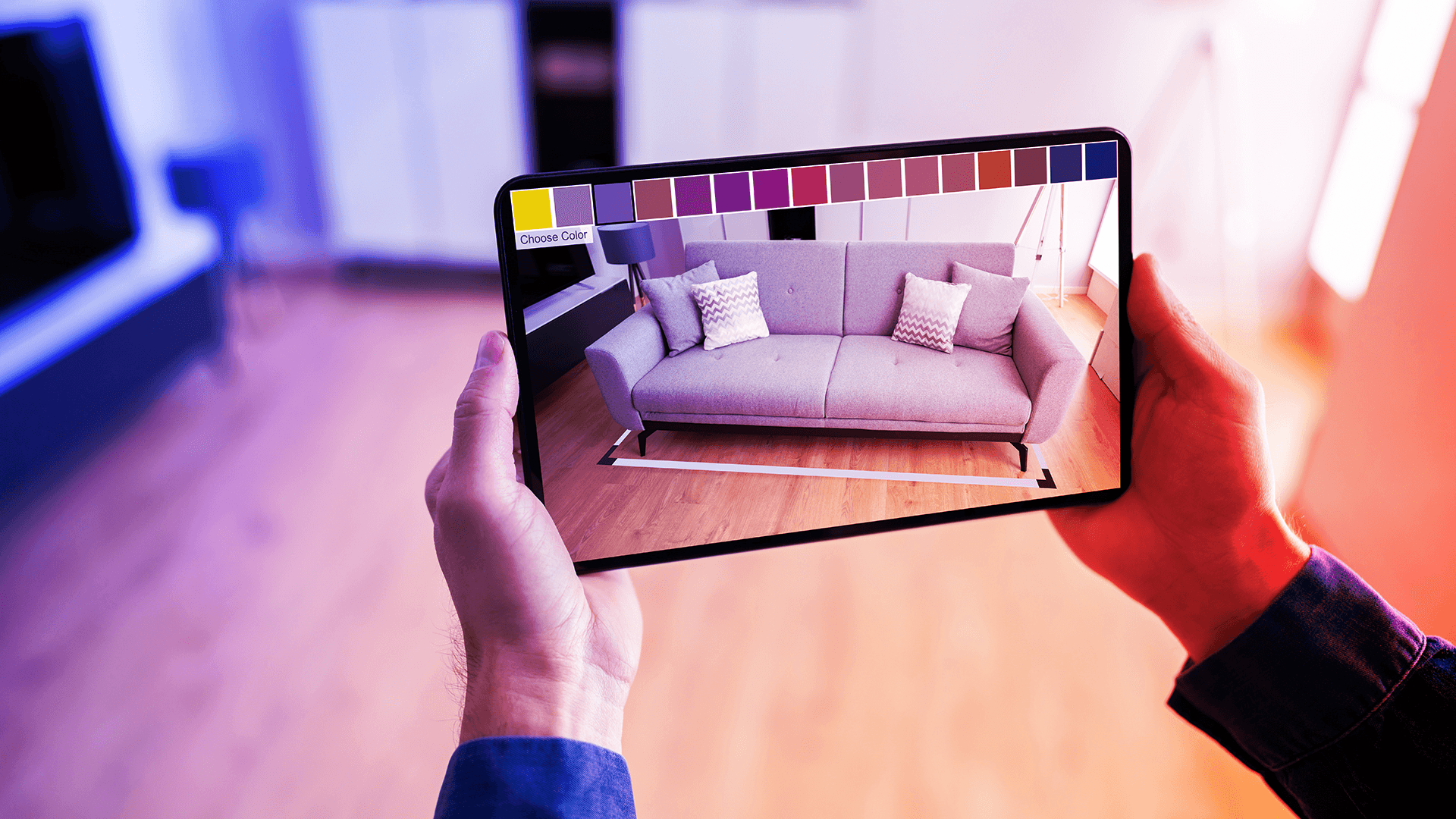
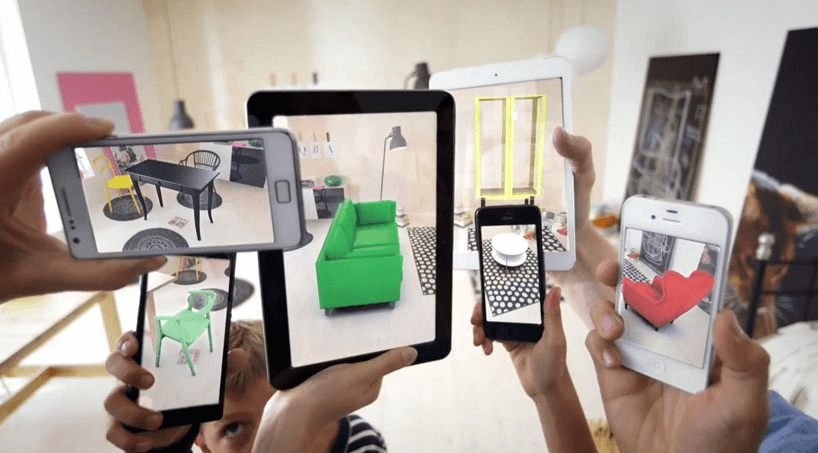
Augmented reality (AR) is transforming e-commerce by bridging the gap between physical and digital shopping. Traditional online shopping lacks one critical element: the ability to experience a product before buying. AR solves this by allowing customers to visualize, interact, and evaluate products in real-world contexts. In simple terms, augmented reality improves online shopping by making it more interactive, immersive, and trustworthy.
Content
The Core Problem AR Solves in E-Commerce One of the biggest limitations of e-commerce is uncertainty. Customers cannot touch, try, or fully evaluate products, which leads to hesitation and high return rates. AR addresses this by enabling: 1- Product visualization in real environments 2- Virtual try-ons for fashion and beauty 3- Interactive product exploration Research shows that AR enhances the shopping experience by increasing interactivity, engagement, and confidence in purchase decisions.
From Product Viewing to Product Experience Traditional e-commerce relies on images and descriptions. AR transforms this into an experience layer. Instead of asking: “Does this product look good?” Customers can now ask: “Does this product fit my life?” This shift moves e-commerce from information → experience, which directly impacts: 1- Purchase confidence 2- Customer satisfaction 3- Decision speed
How AR Impacts Customer Behavior AR influences customer behavior in three key ways: 1- Cognitive: Better understanding of the product 2- Emotional: Increased enjoyment and engagement 3- Behavioral: Higher likelihood of purchase Studies show that AR improves trust, satisfaction, and purchase intention, making customers more confident in their decisions. From ongoing doctoral research in e-commerce and customer behavior, augmented reality has been examined through two recent academic studies: - Transforming the E-Commerce Experience: The Impact of Augmented Reality on Consumer Purchase Intention - Tech Evolution in E-commerce: The Role of Augmented Reality in Shaping Customer Intentions These studies provide clear evidence that augmented reality is not just a visual enhancement it is a decision-making tool that directly impacts customer behavior. What does research say about augmented reality in e-commerce? Augmented reality significantly influences purchase intention by improving how customers evaluate products before buying. Key findings show that AR: 1- Enhances user experience through realistic and interactive visualization 2- Reduces purchase risk by allowing spatial understanding of products 3- Increases conversion rates while minimizing product returns 4- Strengthens purchasing decisions by reducing uncertainty and buyer anxiety Why does this matter? Because customer hesitation in e-commerce is primarily driven by uncertainty. AR directly addresses this by making the digital experience closer to a physical one. In simple terms: Augmented reality does not just improve how products look it improves how customers decide.
The Business Impact: Beyond Experience AR is not just a customer experience tool it’s a business performance driver. It contributes to: 1- Lower return rates 2- Higher conversion rates 3- Increased customer loyalty This happens because customers make more informed decisions before purchasing, reducing post-purchase dissatisfaction.
AR as a Competitive Advantage AR creates differentiation in a crowded e-commerce market. However, the advantage is not in using AR itself but in how it is integrated into the customer journey. Successful brands use AR to: 1- Support decision-making 2- Reduce friction 3- Enhance perceived value Key insight: Technology alone does not create advantage experience design does.
The Challenges of AR Adoption Despite its potential, AR adoption faces several barriers: 1- Technical limitations 2- High implementation costs 3- Lack of strategic integration 4- User adoption challenges Research highlights that while AR enhances marketing competitiveness, organizations struggle with execution and scalability.
What Makes AR Actually Work For AR to deliver real value, it must be aligned with user needs not just technology trends. What makes AR effective? 1- Solves a real customer problem (fit, size, visualization) 2- Integrated into the buying journey 3- Easy to use and accessible 4- Adds value, not complexity Action Plan: 1- Start with high-impact use cases (try-ons, visualization) 2- Focus on usability, not novelty 3- Measure impact on conversion and returns 4- Continuously optimize based on user behavior
Let's Work together

Dr. Ahmad Salaheddine, PhD in Marketing and Strategic Marketing Consultant, has over a decade of experience guiding NGOs, startups, and SMEs across five countries. Awarded Best Partner in the Middle East 2025, Ahmad helps organizations build marketing strategies that translate vision into measurable growth.
Technology Means Nothing Without Relevance Augmented reality is not just a technological innovation it’s a shift toward human-centered digital commerce. The real opportunity is not in adopting AR, but in using it to solve real customer problems. In summary, AR works when it enhances experience, reduces uncertainty, and builds trust turning online shopping into something closer to real life. Ready to elevate your customer experience and turn interaction into impact? Let’s build something that doesn’t just adapt to change but leads it.